Edusfera
Overview
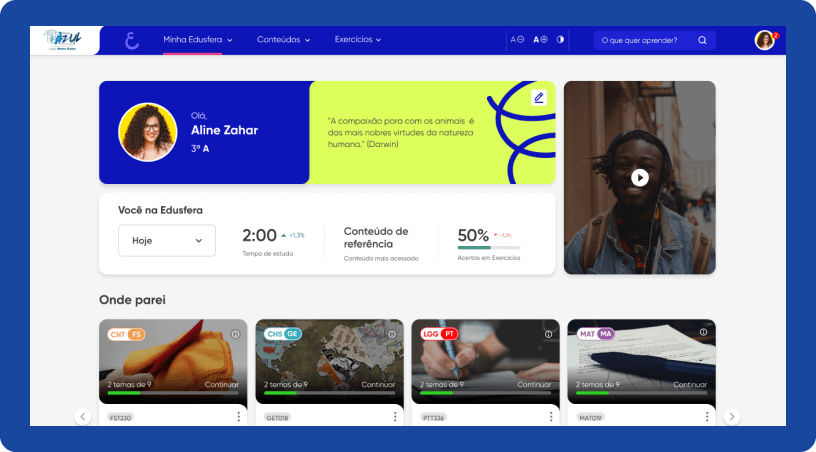
The goal was to create a digital educational platform for high school students and teachers.
Details
Role: Product Designer
Client: Santillana
Duration: 24 months, Jan. 2020
Tools: Research, Figma
Problem
The educational system has been the same for decades and is not prepared for the digital transformation the world has gone through. It’s slow and takes time to update knowledge. Students and teachers have all this technology, but they can’t use it effectively to make learning easier.
The goal of this project was to change that, to bring the educational system into the 21st century and make learning easier, better, and more fun with the help of technology.
Process
This project was funded by the R&D team of the company. Our goal was to research, experiment, and create a vision of what this tool could become. It would later be passed on to a product team to maintain and improve.
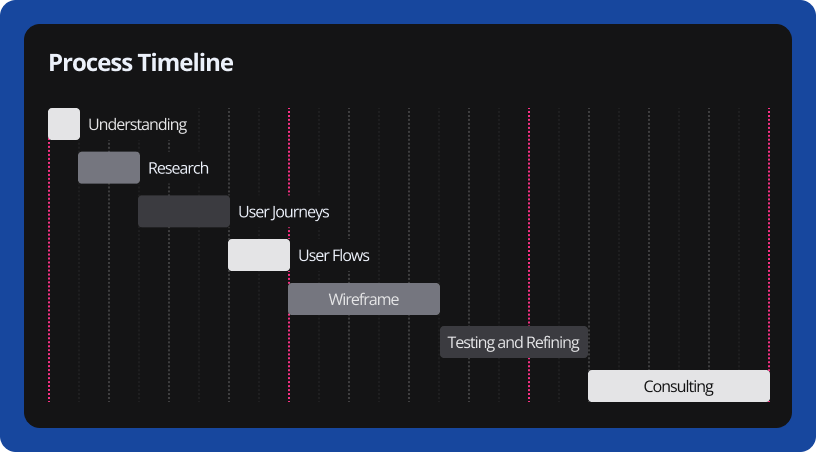
Understanding and Researching
The Moderna team (my client) had a vision of improving the educational process in Brazil through technology. But they didn’t want a platform where kids would simply watch videos and answer quizzes.
No. In addition to videos and reading material, it needed to include a digital notebook, community features, sharing, tests, simulations, interactive tools, and more.
And there was more. It had to work differently for students, teachers, and school administrators. So it was basically three platforms in one.
So the first step was to gather all their ideas and thoughts, research what was available in the market, and map everything into user journeys.
User Journeys
The user journeys were a simple way to validate and make tangible what was in their heads. I used simple sentences to illustrate dozens of possible journeys in each of the three scenarios, like the example below.
Students
- The student watches a class at school and then opens the complementary material in the app to review the content.
- The student selects content from the complementary material and saves it to their digital notebook for later access.
- The student shares their notebook with a classmate so they can study together.
User Flow
The challenge here was to create flows that intertwined digital and physical moments in the classroom, since the app was meant to enhance the learning experience. It was important to define the different moments and locations in which the app would be used, and even when third-party apps would come into play.
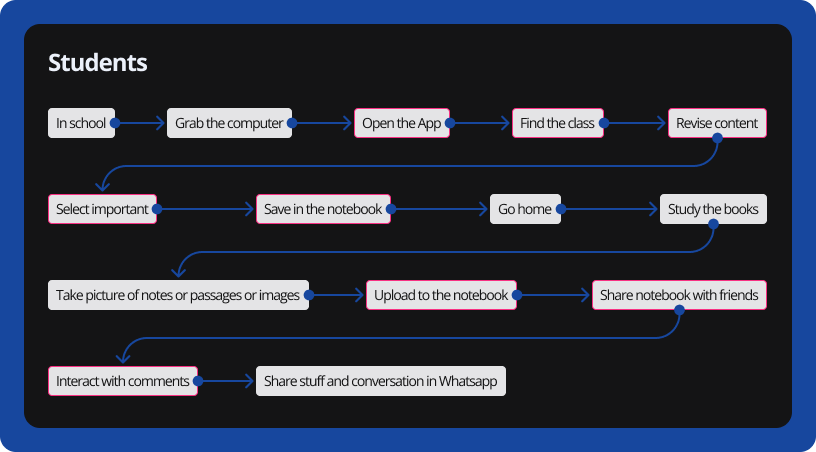
Together, the user journeys and flows helped us better visualize what to do and how to prioritize each of these experiences.
Wireframe
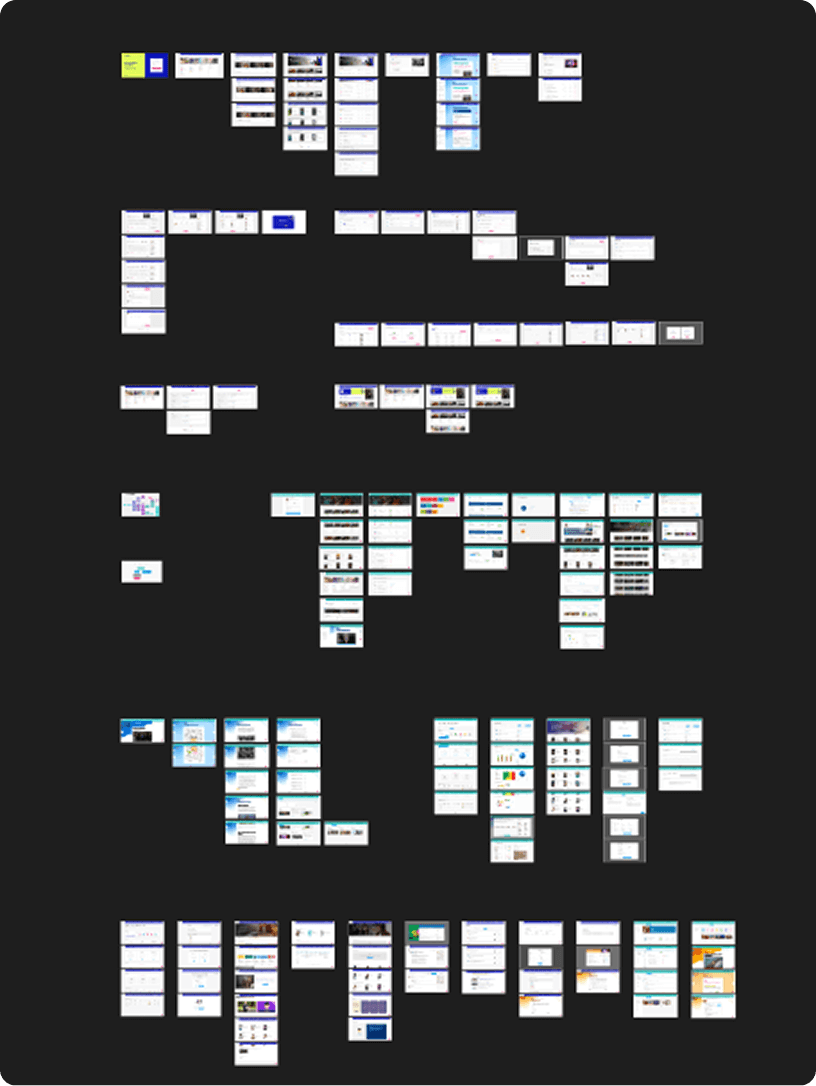
With the journeys and flows prioritized, we began wireframing some of them to validate them further.
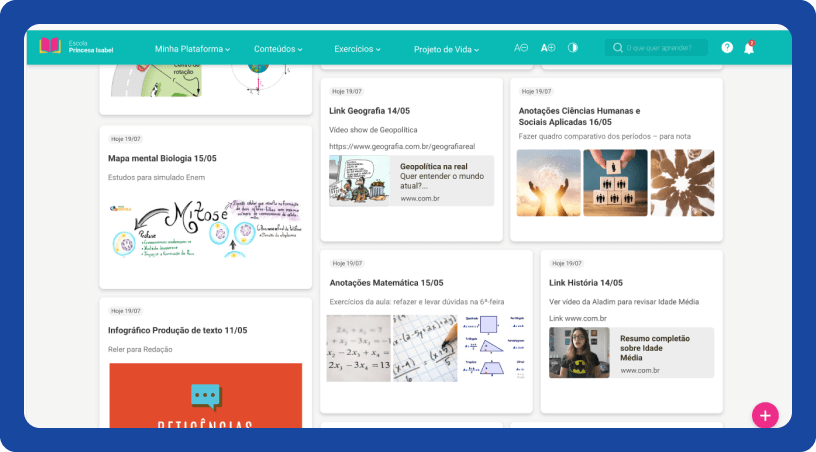
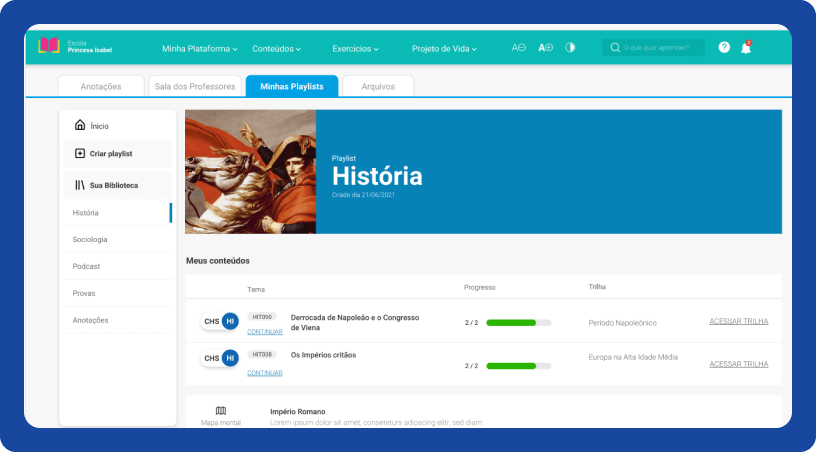
This required many iterations with them, and we also spoke with textbook authors, school staff, and some education scholars.
Testing and Refining
When we were satisfied with the wireframe validation from all these stakeholders, we started polishing the UI and testing with real students and teachers.
The real challenge here was to connect the different perspectives that students and teachers have on the learning process. Of course, our goal was to make the experience enjoyable for students, but without the support and engagement of teachers, it wouldn’t work.
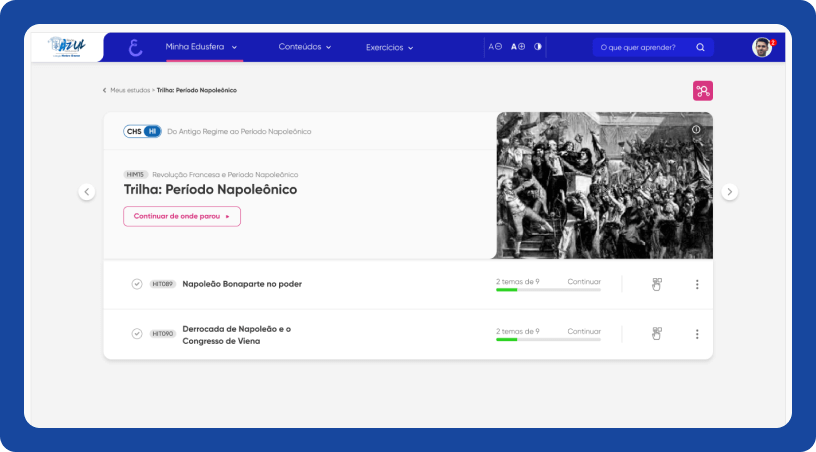
Some teachers were not happy about having to learn a digital tool, they preferred books, blackboards, and paper. We had to go deep with them to understand the problems they faced daily and how we could incorporate solutions into the platform to make the adoption process easier and, more importantly, desirable.
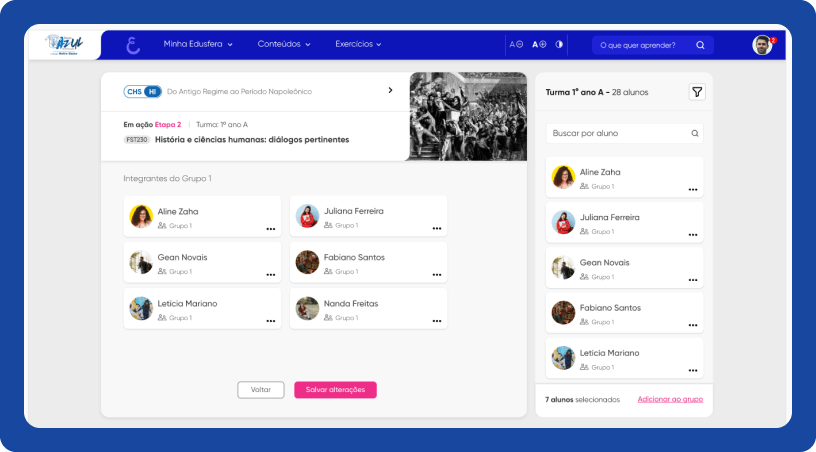
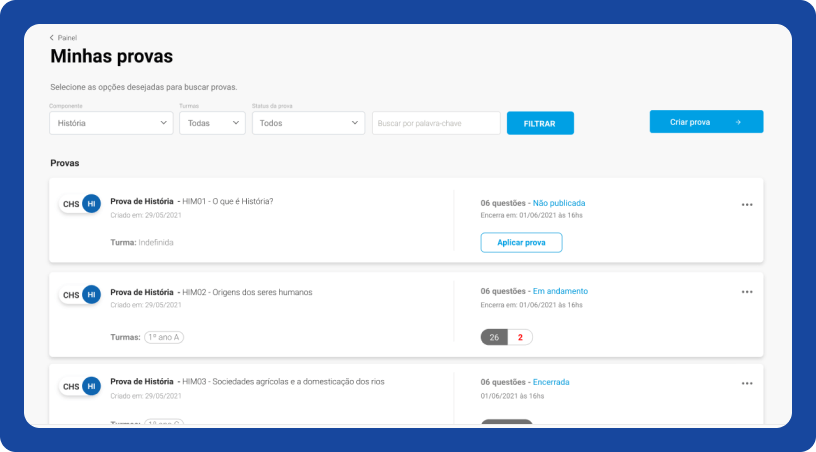
One of the features that helped us gain their trust and make them want the product was the ability to apply tests using a question bank already organized by school year and subject.
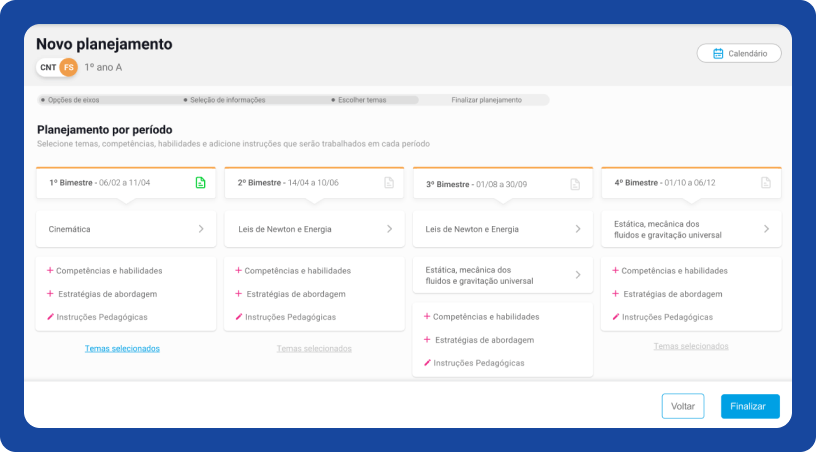
Another feature helped them plan subjects for each quarter based on skills, approaches, and pedagogical guidelines recommended by the government.
Consulting
In the end, our exploration was a success. The company’s board loved it and approved hiring a team to start development.
The last phase was to pass all of our knowledge and learnings to the product team that would continue developing the product.
Based on our research and discovery, we defined what should be included in the MVP and what would come in later phases. We organized and packaged all screens, spreadsheets, PDFs, interview videos, etc.
The last six months were spent helping them navigate all the information and supporting them with additional interviews, heuristic and design evaluations, decisions that needed to be made, and so on.
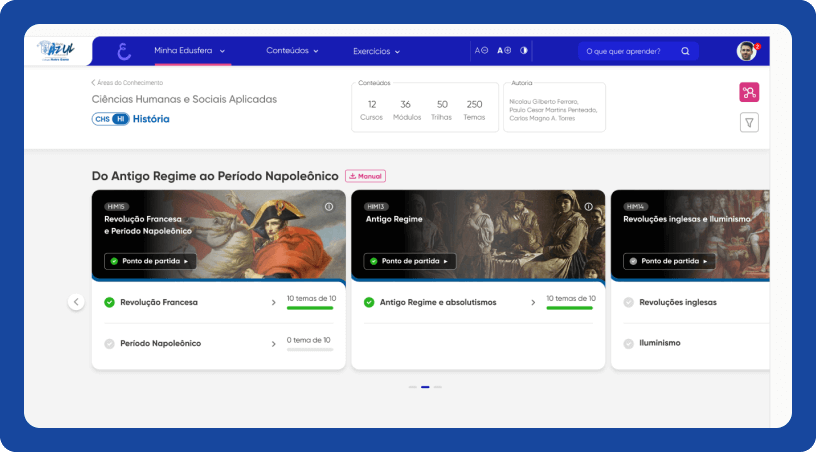
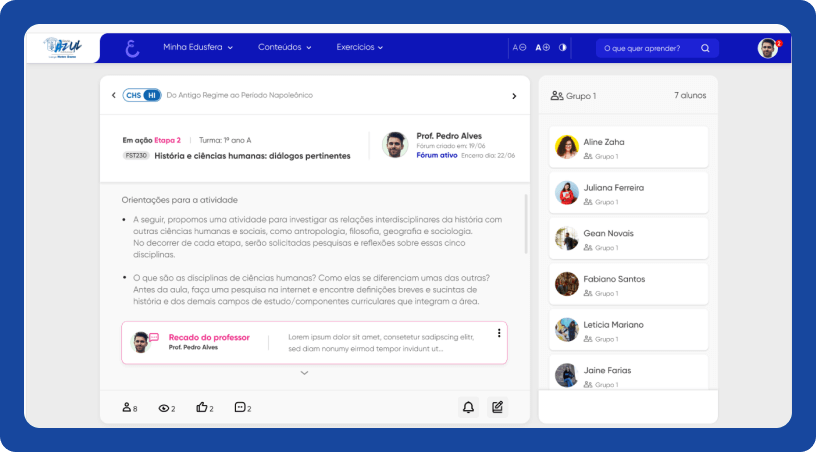
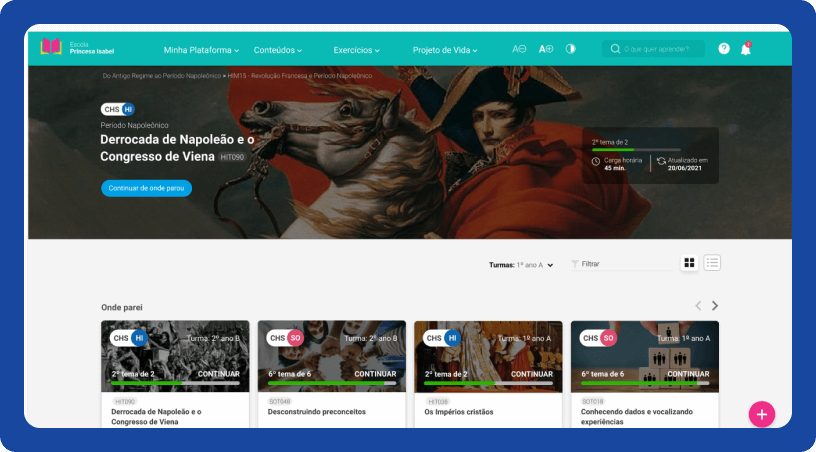
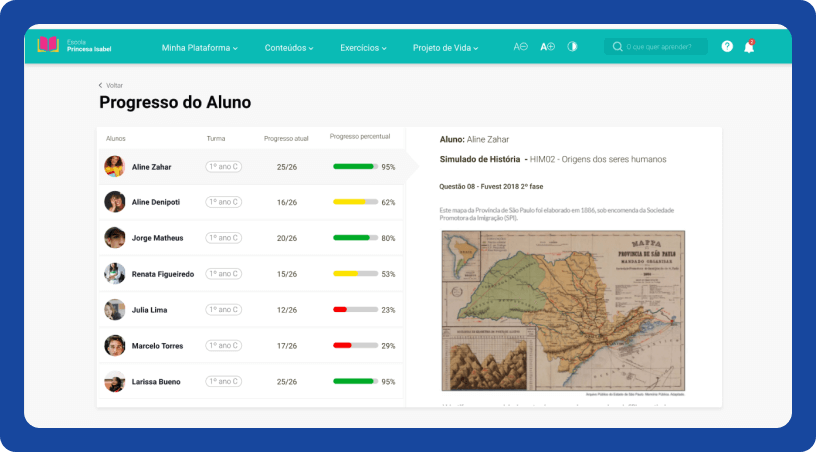
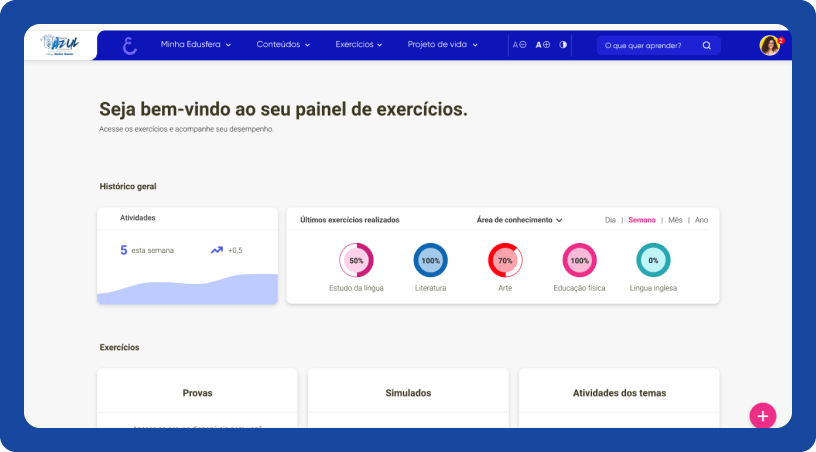
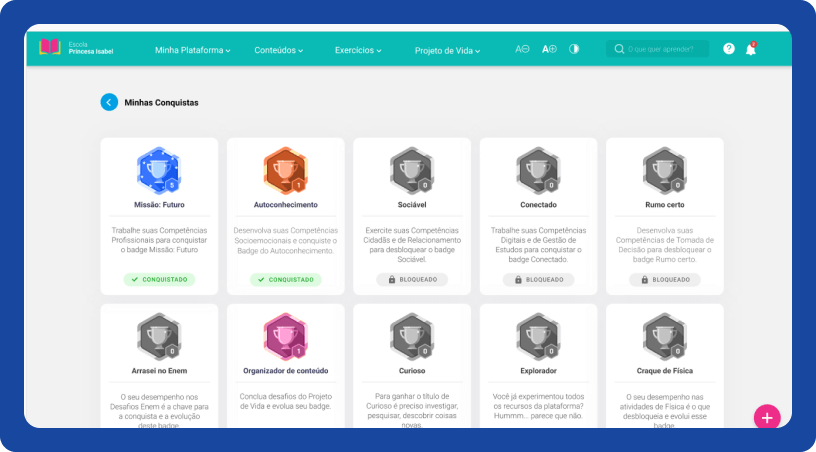
More refined wireframes from our study:
Conclusion
It was a long and fun project to be part of. I love education and have been connected to the theme since a young age, as I have some teachers in my family.
It gave me even more respect and admiration for them, because it’s far more complex than it seems from the outside.